Hidden sugar: 50+ names for sugar on food labels
Added sugar rarely calls itself "sugar". Learn the names it hides behind, and you'll spot it on any label in about ten seconds.
The short version: ignore the front of the pack and read the ingredient list. Anything ending in -ose (sucrose, dextrose, maltose), any syrup, any nectar, and words like honey, molasses, malt, cane or fruit juice concentrate are added sugar. Food makers often use several kinds in one product, so none of them comes first on the list.
Why sugar has so many names
Sugar isn't one ingredient. It comes from cane, beets, corn, rice, coconut palms, maple trees, bees and fruit, and each source and process gets its own name. Some of those names sound like health food: "coconut nectar", "brown rice syrup", "evaporated cane juice". To your body, they're all sugar.
There's also a labeling trick. Ingredients are listed from most to least by weight. If a product used one kind of sugar, it might be the first ingredient. Split the same amount across three or four kinds, like glucose syrup, dextrose and fruit juice concentrate, and each one moves further down the list. The total sugar is the same. It just looks smaller.
The 10-second label check
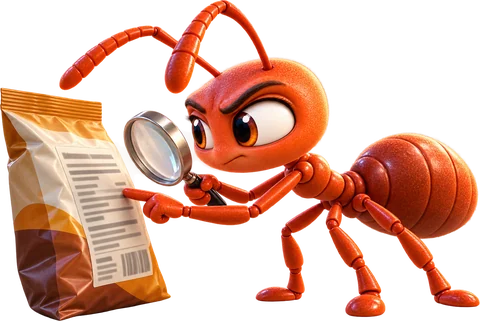
- Skip the front of the pack. Words like "natural", "wholesome" or "no refined sugar" are marketing. They don't mean no sugar.
- Turn it over and read the ingredients. Scan for anything ending in -ose, any syrup, any nectar, and the words honey, molasses, malt, cane, sugar or juice concentrate.
- Count them. One sugar name low on the list is a small amount. Three different sugar names is a sweet product in disguise.
That's it. After a week of doing this, you'll see the patterns without trying. If a word isn't on any list you know, look it up before you assume it's fine.

In Sweet Nothing: not sure about a food? Scan the barcode (product data from Open Food Facts) or take a photo of the food or its label. The food scanner tells you if it fits your goal, if you should avoid it, or if it's unsure, and why. When the ingredient list is clear, trust the label.
The full list of names for sugar
Here are 62 names for added sugar you'll find on ingredient lists, grouped so they're easier to remember. You don't need to memorize them all. Learn the patterns in each group and the rest will jump out at you.
Names ending in -ose (6)
The "-ose" ending is chemistry for sugar. These are the most common ones you'll see added to food:
- Sucrose (table sugar)
- Glucose
- Dextrose
- Fructose
- Crystalline fructose
- Maltose
Sugars by any other name (21)
If the word "sugar" is in the name, it's sugar, however natural, raw or unrefined it sounds.
| Sugar | Cane sugar | Beet sugar |
| Brown sugar | Raw sugar | Coconut sugar |
| Coconut palm sugar | Palm sugar | Date sugar |
| Invert sugar | Caster sugar | Icing sugar |
| Powdered sugar | Confectioners' sugar | Granulated sugar |
| Demerara sugar | Muscovado sugar | Turbinado sugar |
| Golden sugar | Grape sugar | Fruit sugar |
Cane products with other names (5)
These come from sugar cane too, under names that don't say "sugar":
- Evaporated cane juice
- Cane juice crystals
- Panela
- Rapadura
- Jaggery
Syrups (16)
Any syrup is a liquid sugar. Some are made from corn or rice, which makes them easy to miss.
| Corn syrup | High-fructose corn syrup |
| Glucose syrup | Glucose-fructose syrup |
| Fructose-glucose syrup | Rice syrup |
| Brown rice syrup | Maple syrup |
| Golden syrup | Malt syrup |
| Barley malt syrup | Agave syrup |
| Date syrup | Carob syrup |
| Sorghum syrup | Tapioca syrup |
Honey, nectars and molasses (6)
- Honey
- Agave nectar
- Coconut nectar
- Molasses
- Blackstrap molasses
- Treacle
Malt and starch-based sweeteners (3)
- Barley malt
- Malt extract
- Maltodextrin
Fruit-based sugars (4)
Juice concentrate is fruit with the fiber taken out and the water boiled off. What's left is mostly sugar, and WHO counts the sugar in fruit juice as free sugar, the same as added sugar.
- Fruit juice concentrate
- Apple juice concentrate
- Grape juice concentrate
- Concentrated fruit juice
And one more: caramel (1)
When caramel is listed as a food (in a filling, a sauce or pieces), it's cooked sugar. Caramel color used only for color is a different thing, but where you see caramel pieces or caramel sauce, there's sugar.
Front-of-pack claims that don't mean "no sugar"
The front of a pack is designed to sell. Here's what common claims do and don't tell you:
- "Natural" or "all natural": honey, maple syrup and coconut sugar are all natural. Natural doesn't mean sugar-free.
- "No refined sugar": usually means the product uses honey, syrups, dates or coconut sugar instead. It's still sugar.
- "No added sugar": can still mean the product is sweetened with fruit juice concentrate, or with sweeteners. Read the list.
- "Light", "zero" or "diet": often means sugar was swapped for sweeteners. See why we skip sweeteners too.
- "Protein", "high fiber", "keto" or "fitness": these say what's in the product, not what isn't. Many bars and shakes still contain syrups or sweeteners.
- "Made with real fruit": the fruit may be a small part. The rest can be sugar and juice concentrate.
Where hidden sugar hides
Candy and soda are obvious. Hidden sugar is the kind in food you don't think of as sweet. These are the usual suspects:
- Sauces and dressings: ketchup, BBQ sauce, teriyaki, sweet chili, many pasta sauces and salad dressings.
- Breakfast cereals and granola: even the plain-looking ones, and granola is often sweetened with honey or syrup.
- Cereal bars, granola bars and protein bars: syrups are often what holds them together.
- Bread and wraps: many packaged loaves have a little added sugar.
- Flavored yogurt and milk drinks: plain yogurt has natural milk sugar; the flavored kind usually has added sugar on top.
- "Healthy" snacks and drinks: smoothies, juices, kombucha, plant milks and anything marketed as a wellness product.
- Ready meals and soups: sugar balances acidity and salt, so it shows up in savory food too.
- Alcohol and mixers: cocktails, liqueurs, ciders, tonic and cola. More in day 18 of the 30-day challenge.
The fix is usually simple: plain versions exist for almost all of these. Plain yogurt with berries, oats you sweeten with fruit, olive oil and lemon instead of a sweet dressing.
What this means for your goal
How strict you need to be depends on what "no sugar" means for you. In Sweet Nothing, there are two goals:
- No sweets & sweet drinks: you cut candy, desserts, pastries, soda, juice and sweeteners. Savory packaged food with a little sugar on the label is OK. Label reading is mostly about drinks and "healthy" sweet snacks.
- No added sugar: any of the names above means no. This is where label reading really matters, especially for sauces, cereals, bars, bread and flavored yogurt.
Whole fruit and plain dairy are fine at both goals. The natural sugar in them isn't the problem: WHO doesn't count it as free sugar. Not sure how much sugar is too much? Read how much sugar per day is OK, or start with our step-by-step plan to quit sugar.
In Sweet Nothing: day 5 of the 30-day program is all about reading labels, with a small task: check the ingredient list of three foods in your kitchen and find any sugar names. See how the app works.
Questions people ask
How many names does sugar have on food labels?
Dozens. This guide lists more than 50 common ones. The easy rule: anything ending in -ose, any syrup, any nectar, and words like honey, molasses, malt, cane or juice concentrate are added sugar.
Why is sugar not the first ingredient even in sweet foods?
Ingredients are listed from most to least. Food makers often use several kinds of sugar in one product, so each one is a smaller amount and none of them ends up first on the list, even when the total is high.
Are honey, agave and coconut sugar healthier than sugar?
They sound more natural, but they still count as free sugars. If you are cutting all added sugar, honey, syrups, agave and coconut sugar are out too.
Does "no added sugar" mean a product has no sugar?
Not always. It can still contain fruit juice concentrate or sweeteners, and claims like "natural" or "no refined sugar" don't mean no sugar at all. Always check the ingredient list on the back.
Sources
- WHO: guideline on sugars intake for adults and children (2015)
- American Heart Association: added sugars
- NHS: sugar in your diet
- WHO: guideline on non-sugar sweeteners (2023)
This guide is general information, not medical advice. If you have diabetes, have or had an eating disorder, are pregnant or take medication, talk to your doctor before you change how you eat.