How to stop sugar cravings: what to do in the next 10 minutes
A sugar craving feels like an order. It's really a wave. Here is why cravings hit when they do, and what to do right now so this one passes.
The short version: give the craving ten minutes. Drink a glass of water, change rooms or step outside, and do one quick swap like a handful of nuts or a herbal tea. Then prevent the next one: notice when your cravings come (after dinner, at 3 pm, when tired or stressed), write an if-then plan for that moment, eat protein, sleep more and keep sugar out of the house.
What to do when a craving hits right now
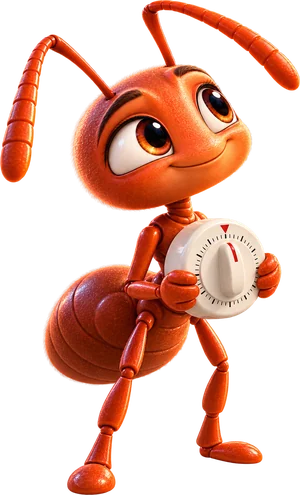
A craving builds, peaks and usually fades if you don't feed it. You don't have to resist forever. You only have to get through the next ten minutes.
- Start a 10-minute timer. Tell yourself you can decide again when it rings.
- Remember your why. Why did you decide to quit sugar? Say it to yourself, or read it.
- Do your plan or a quick swap. A big glass of water, a handful of nuts, a herbal tea.
- Change place. Stand up, leave the kitchen, walk for five minutes, step outside.
If the craving is still there when the timer ends, that's fine. Run it again, or eat a real snack with protein. Either way, each wave you ride out is proof that you can do it again.
In Sweet Nothing: tap Craving SOS and the app starts a 10-minute timer, shows your why, your if-then plan and quick swaps for your main sugar trap. Afterwards you can note what triggered it, so you see your patterns over time. See how the app works.
Why you crave sugar
Cravings rarely come out of nowhere. They tend to follow the same few triggers, and once you know yours, they get much easier to plan for.
- Time of day. Cravings show up at your old sugar times: after lunch, mid-afternoon, after dinner.
- Tiredness. A tired brain wants quick energy. Short nights make cravings louder.
- Stress. One of the most common triggers. Sugar offers a few minutes of comfort, then leaves the stress right where it was.
- Emotions. Sadness, loneliness and a long, hard day can all show up as "I want something sweet".
- Boredom. Long afternoons, weekends and waiting around are perfect craving weather.
- Rituals. Dessert after dinner, candy at the movies, a sweet coffee on the commute. Habits ask for their usual reward.
- Hunger. Sometimes it really is hunger, and a proper meal is the answer.
- Sight. If sweets are in the kitchen, on your desk or at the checkout, you'll think about them more.
In the first days after you cut sugar, cravings can also be part of sugar withdrawal. In a small study of teens who stopped sugary drinks, cravings were among the symptoms that peaked on days 1 and 2.
Name the feeling first
Not every craving is about food. Before you reach for something, ask: what do I actually need? Naming the feeling gives you a choice.
| If you're… | Try this instead |
|---|---|
| Bored | Change activity: walk, call someone, tidy for five minutes |
| Sad or lonely | Text a friend, go outside, put on music |
| Tired | Rest, or go to bed early |
| Stressed | Breathe slowly (in for 4, out for 6, ten times), take a shower, write it down |
| Hungry | Eat a real snack with protein |
Sugar can't answer a question it was never asked. The feeling usually needs something else.
Quick swaps for every kind of craving
A swap works best when it matches what you usually reach for. Pick two or three from your list and keep the ingredients at home.
If your trap is sweet drinks
- Sparkling water with lemon
- Iced tea with no sugar
- Hot mint or ginger tea
- Water with cucumber and mint
If your trap is desserts
- Berries with plain Greek yogurt
- Apple slices with plain peanut butter
- A cup of herbal tea after dinner
- Brush your teeth: kitchen closed
If your trap is candy
- A handful of nuts
- Frozen grapes
- A few cubes of cheese
- Crunchy carrot sticks
If your trap is processed snacks
- Plain yogurt instead of flavored
- Hummus with veggie sticks
- Plain popcorn instead of a bar
- A boiled egg or some cheese
Swaps that work for anything
- Drink a big glass of water
- Walk for 5 minutes
- Text a friend
- Step outside for fresh air
Notice what's not on the list: diet soda and "zero" sweets. They keep the sweet habit alive, which is why we leave them out. Read more in our guide to sweeteners.
Write if-then plans for your trigger times
The worst time to decide what to do about a craving is in the middle of one. An if-then plan makes the decision ahead of time, so in the moment you just follow it.
- "If it's 3 pm and I want something sweet, then I eat my apple and almonds."
- "If I come home starving, then I eat a boiled egg before I cook."
- "If I'm stressed after work, then I walk around the block before I go inside."
- "If I'm at a birthday party, then I take the cheese plate and a sparkling water."
Start with your single hardest moment of the week. Look back and ask when cravings were strongest, where you were, what was going on and what worked. Cravings follow a pattern, and you can plan for a pattern.
Sugar cravings after dinner and at night
For many people, dinner isn't over until something sweet arrives. That's usually not hunger. It's a ritual, and rituals can be swapped. Keep the ritual, change what's in it:
- Brew a herbal tea: mint, chamomile, rooibos.
- Brush your teeth right after dinner. It's a clear "kitchen closed" signal.
- Have a small bowl of berries or plain yogurt.
- Go for a short evening walk.
- Leave the kitchen and do something you like.
Late-night cravings add tiredness to the mix, and willpower is at its lowest at 10 pm. That's why the strongest move is the simplest one: if sugar isn't in your home, you can't eat it at night. The first evenings with a new ritual feel odd. After a week or so it becomes the new normal.
The 3 pm slump
Around 3 or 4 pm, energy dips and the vending machine starts calling your name. Plan for it instead of fighting it live:
- Eat a real lunch with protein and vegetables.
- Pack a snack for the slump: nuts, cheese, fruit, hummus with veggies, a boiled egg.
- Move: a five-minute walk or a few flights of stairs can wake you up.
- Drink water first: it gives the craving time to pass.
Prevent cravings: sleep, protein and stress
The best time to beat a craving is hours before it starts. Three things make a real difference.
Sleep
Tired days are sweet days. In a small trial, people who usually slept too little got coaching to sleep longer, and they ended up eating about 10 g less free sugar a day than the control group. The coaching was only about sleep. Try a bedtime alarm, screens away 30 minutes before bed and no caffeine late in the day.
Protein
In a small study, young women who ate a high-protein breakfast snacked less on sweet and fatty food in the evening than when they ate cereal or skipped breakfast. Eggs, plain yogurt or cottage cheese are easy places to start.
Stress
You can't delete stress, but you can choose what you reach for. Build a short list of things that calm you in under five minutes, like a walk, slow breathing, music, a shower or a call with a friend, and make one of them your if-then plan for stressful moments.
None of this is magic. But a rested, fed, calmer you has a much easier time saying no. And over time it gets easier still: after about three months of less sugar, people in one study rated sweet foods around 40% sweeter.
In Sweet Nothing: if a craving wins, the slip review asks what the situation was and helps you write one if-then plan for next time. Your sugar-free days still count, and the plan shows up in Craving SOS when you need it.
Questions people ask
How long does a sugar craving last?
A craving behaves like a wave: it builds, peaks and usually fades if you don't feed it. Give it ten minutes. If it's still there, run another ten minutes or eat a real snack with protein.
Why do I crave sugar after dinner?
For many people, the after-dinner sweet isn't hunger. It's a ritual. Keep the ritual and change what's in it: herbal tea, berries with plain yogurt, brushing your teeth, or a short evening walk.
Why do I crave sugar at night?
Late at night you're often tired, and tired brains want quick energy. Stress, boredom and an under-fed day make it louder. Eat enough protein during the day, keep sugar out of the house, and protect your sleep.
Do sugar cravings go away?
They usually get quieter and less frequent. After about three months of less sugar, people in one study rated sweet foods around 40% sweeter, so a little goes a long way. Cravings can still show up at old trigger times, which is why a plan helps.
Sources
- Al Khatib et al., American Journal of Clinical Nutrition, 2018 (sleep and sugar)
- Leidy et al., American Journal of Clinical Nutrition, 2013 (protein breakfast)
- Falbe et al., Appetite, 2019 (withdrawal from sugary drinks)
- Wise et al., American Journal of Clinical Nutrition, 2016 (sweet taste)
- WHO: guideline on non-sugar sweeteners (2023)
This guide is general information, not medical advice. If you have diabetes, have or had an eating disorder, are pregnant or take medication, talk to your doctor before you change how you eat.